Ditapis dengan
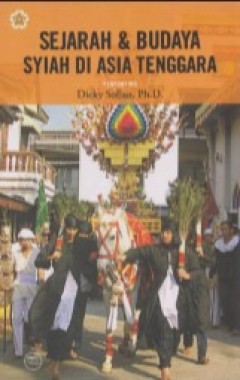
SEJARAH DAN BUDAYA SYIAH DI ASIA TENGGARA
- Edisi
- -
- ISBN/ISSN
- 978-979-25-0118-6
- Deskripsi Fisik
- -
- Judul Seri
- -
- No. Panggil
- 909.097671 SEJ
- Edisi
- -
- ISBN/ISSN
- 978-979-25-0118-6
- Deskripsi Fisik
- -
- Judul Seri
- -
- No. Panggil
- 909.097671 SEJ

Ikhtisar Sejarah Hukum
- Edisi
- -
- ISBN/ISSN
- 979-98454-5-9
- Deskripsi Fisik
- 92 hlm.
- Judul Seri
- -
- No. Panggil
- 340.09 Muc i
- Edisi
- -
- ISBN/ISSN
- 979-98454-5-9
- Deskripsi Fisik
- 92 hlm.
- Judul Seri
- -
- No. Panggil
- 340.09 Muc i
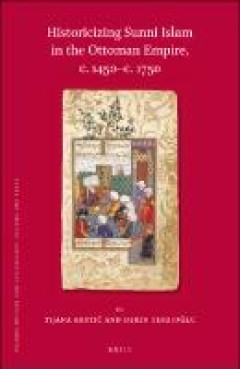
Historicizing Sunni Islam in the Ottoman Empire, c. 1450-c. 1750
Articles collected in Historicizing Sunni Islam in the Ottoman Empire, c. 1450–c. 1750 engage with the idea that “Sunnism” itself has a history and trace how particular Islamic genres – ranging from prayer manuals, heresiographies, creeds, hadith and fatwa collections, legal and theological treatises, and historiography to mosques and Sufi convents – developed and were reinterpreted …
- Edisi
- -
- ISBN/ISSN
- 9789004440296
- Deskripsi Fisik
- 547p
- Judul Seri
- Islamic History and Civilization
- No. Panggil
- -
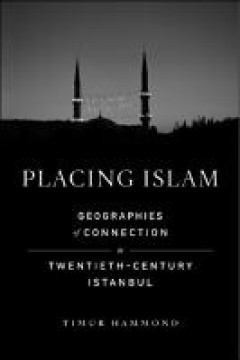
Placing Islam : Geographies of Connection in Twentieth-Century Istanbul
For centuries, the Mosque of Eyüp Sultan has been one of Istanbul’s most important pilgrimage destinations, in large part because of the figure buried in the tomb at its center: Halid bin Zeyd Ebû Eyûb el-Ensârî, a Companion of the Prophet Muhammad. Timur Hammond argues here, however, that making a geography of Islam involves considerably more. Following practices of storytelling and bu…
- Edisi
- -
- ISBN/ISSN
- 978–0-520–38744-7
- Deskripsi Fisik
- xxv, 231p
- Judul Seri
- Islamic Humanities
- No. Panggil
- -
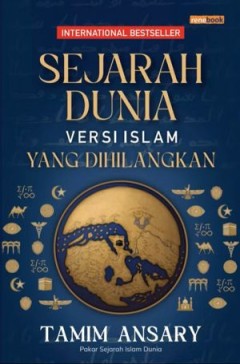
Sejarah Dunia Versi Islam yang Dihilangkan
Buku ini menyajikan narasi sejarah global dari sudut pandang peradaban Islam yang selama ini kerap terpinggirkan dalam historiografi Barat. Ansary mengkritisi pola penulisan sejarah dunia konvensional yang cenderung menempatkan Islam sebagai elemen marginal, padahal peradaban Islam pernah menjadi pusat perkembangan politik, ilmu pengetahuan, dan budaya dunia selama berabad-abad. Melalui pendeka…
- Edisi
- -
- ISBN/ISSN
- 978-623-6083-99-4
- Deskripsi Fisik
- xxx, 450 halaman : ilustrasi ; 23 cm
- Judul Seri
- -
- No. Panggil
- 909 Tam s
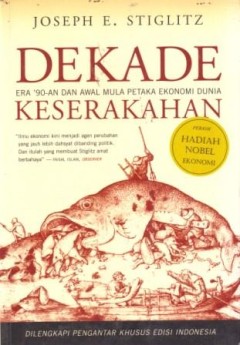
Dekade Keserakahan : Era 90-an dan Awal Mula Petaka Ekonomi Dunia
- Edisi
- -
- ISBN/ISSN
- 979-99980-5-0
- Deskripsi Fisik
- lvi, 386 hlm.; 20 cm.
- Judul Seri
- -
- No. Panggil
- 330.9 Sti d
- Edisi
- -
- ISBN/ISSN
- 979-99980-5-0
- Deskripsi Fisik
- lvi, 386 hlm.; 20 cm.
- Judul Seri
- -
- No. Panggil
- 330.9 Sti d

Philosophy in the Islamic World Volume 1: 8th-10th Centuries
Philosophy in the Islamic World is a comprehensive and unprecedented four-volume reference work devoted to the history of philosophy in the realms of Islam, from its beginnings in the eighth century AD down to modern times. In the period covered by this first volume (eighth to tenth centuries), philosophy began to blossom thanks to the translation of Greek scientific works into Arabic and the e…
- Edisi
- -
- ISBN/ISSN
- 978-90-04-32316-2
- Deskripsi Fisik
- xxi, 850p
- Judul Seri
- Handbook of Oriental Studies = Handbuch der Orientalistik
- No. Panggil
- -
Hukum dan Sejarah Hukum
- Edisi
- -
- ISBN/ISSN
- 978-602-73787-0-8
- Deskripsi Fisik
- xii, 177 hlm. ; ilus. : 14.5 x 21 cm
- Judul Seri
- -
- No. Panggil
- 340.09 Mur h
- Edisi
- -
- ISBN/ISSN
- 978-602-73787-0-8
- Deskripsi Fisik
- xii, 177 hlm. ; ilus. : 14.5 x 21 cm
- Judul Seri
- -
- No. Panggil
- 340.09 Mur h
Hukum dan Sejarah Hukum
- Edisi
- -
- ISBN/ISSN
- 978-602-73787-0-8
- Deskripsi Fisik
- xii, 177 hlm. ; ilus. : 14.5 x 21 cm
- Judul Seri
- -
- No. Panggil
- 340.09 Mur h
- Edisi
- -
- ISBN/ISSN
- 978-602-73787-0-8
- Deskripsi Fisik
- xii, 177 hlm. ; ilus. : 14.5 x 21 cm
- Judul Seri
- -
- No. Panggil
- 340.09 Mur h

Seeking Justice at the Court of the Khans of Khiva (19th - early 20th Centuries)
In Seeking Justice at the Court of the Khans of Khiva, Sartori and Abdurasulov show that in Khorezm prior to Sovietization the dispensation of justice according to Islamic law depended mostly on a group of officials representing the dynasty in power, and lacking specialised legal training.; Readership: All interested in the history of Islamic Central Asia and Islamic law
- Edisi
- -
- ISBN/ISSN
- 9789004427907
- Deskripsi Fisik
- xxvi, 455p
- Judul Seri
- Brill’s Inner Asian Library
- No. Panggil
- -
 Karya Umum
  Filsafat
  Agama
Agama  Ilmu-ilmu Sosial
  Bahasa
  Ilmu-ilmu Murni
  Ilmu-ilmu Terapan
  Kesenian, Hiburan, dan Olahraga
  Kesusastraan
  Geografi dan Sejarah